Industrial Storage Systems Explained: Storage Technologies, Warehouse Equipment, Manufacturers, Suppliers and Industrial Applications
Industrial storage systems are engineered solutions used to organize, protect, and manage materials, components, products, tools, and equipment within warehouses, factories, distribution centers, and other industrial facilities. They range from conventional pallet racking and shelving to automated storage and retrieval systems, mobile storage, vertical systems, and specialized storage equipment.
Modern industrial storage combines physical infrastructure with warehouse software, sensors, automation, and material-handling technologies. The objective is to make stored materials easier to identify, access, move, and control while making effective use of available facility space.
Context
What Are Industrial Storage Systems?
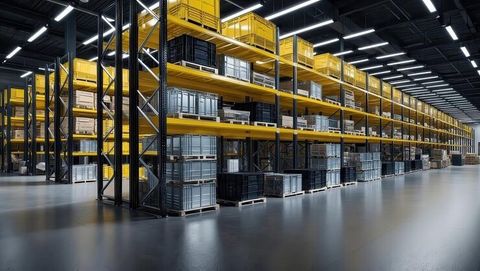
Industrial storage systems consist of equipment and technologies designed to hold materials in organized locations. Depending on the application, a facility may use pallet racks, cantilever racks, shelving, bins, cabinets, mezzanines, automated storage systems, or specialized structures for particular materials.
Storage configuration depends on factors such as load characteristics, product dimensions, inventory turnover, building height, aisle requirements, handling equipment, safety requirements, and available floor area.
Major Industrial Storage Technologies
Industrial storage technologies can be divided into several categories.
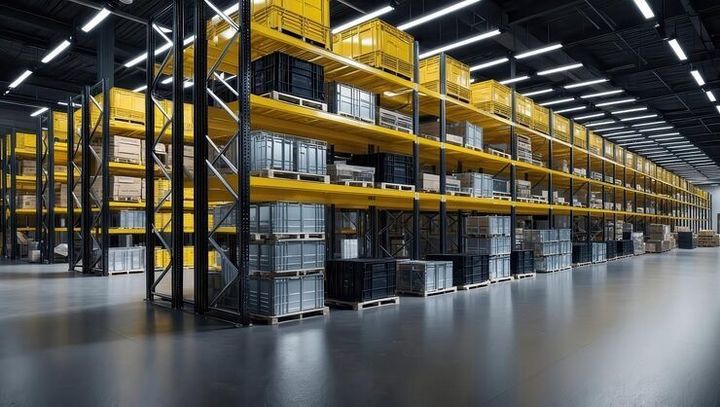
Pallet racking is widely used for palletized materials. Selective pallet racks provide individual access to stored pallet positions, while other configurations can increase storage density by reducing the number of aisles.
Cantilever racks are designed for long or irregular materials such as pipes, steel sections, timber, panels, and other elongated products.
Industrial shelving is commonly used for smaller components, cartons, tools, spare parts, and manually handled inventory.
Mobile storage systems place storage structures on movable bases, allowing aisles to be opened when required.
Vertical storage systems use facility height to increase storage capacity while reducing dependence on floor space.
Automated storage and retrieval systems (AS/RS) use computerized equipment to automatically place and retrieve inventory from designated storage locations.
Warehouse Equipment
Industrial storage normally works together with material-handling equipment. Common examples include:
- Forklifts
- Reach trucks
- Pallet trucks
- Stackers
- Conveyors
- Automated guided vehicles
- Autonomous mobile robots
- Pallet dispensers
- Lift platforms
- Dock equipment
- Barcode scanners
- Radio-frequency identification systems
The selection of equipment depends on the storage configuration and the characteristics of the materials being handled.
Storage System Components
A storage installation can contain several structural and operational components.
| Component | Primary Function | Typical Application |
|---|---|---|
| Upright Frames | Support vertical loads | Pallet racking |
| Beams | Support pallets or decking | Warehouse racks |
| Shelving | Hold smaller items | Parts storage |
| Decking | Provide a storage surface | Pallet and shelf systems |
| Guide Rails | Assist equipment movement | High-density storage |
| Safety Barriers | Protect structures | Warehouse aisles |
| Bins | Organize small components | Parts inventory |
| Mezzanines | Add elevated storage areas | High-volume facilities |
Engineering specifications should be selected according to the expected loads and the operating environment.
Importance
Why Industrial Storage Systems Matter
Storage systems influence how efficiently materials move through a facility. A well-planned arrangement can establish clear inventory locations and create logical relationships between receiving, storage, production, picking, and dispatch areas.
Storage design also affects travel distances for material-handling equipment and personnel. Appropriate layouts can help reduce unnecessary movement and improve visibility of stored materials.
Supporting Warehouse Operations
Warehouses often contain materials with different dimensions, weights, turnover rates, and handling requirements. A single storage configuration may therefore be insufficient for an entire facility.
For example, pallet racks may be appropriate for finished goods, while shelving can accommodate smaller components and cantilever structures can handle long materials.
Space Utilization
Industrial facilities frequently have significant vertical space that may not be fully utilized by floor-level storage. High-bay racking, vertical lifts, mezzanines, and automated systems can make greater use of building height where structural and safety requirements permit.
Space utilization should be considered together with accessibility. Increasing storage density can sometimes reduce direct access to individual inventory positions.
Industrial Applications
Industrial storage systems are used across many sectors.
Manufacturing: Raw materials, components, work-in-process materials, spare parts, and finished products can be organized using different storage configurations.
Automotive: Parts, assemblies, tools, tires, and production components can require specialized racks and automated storage.
Pharmaceutical manufacturing: Controlled environments may require storage systems compatible with hygiene, traceability, temperature management, and material segregation requirements.
Food processing: Storage equipment can support ingredients, packaging materials, finished products, and cold-chain operations.
Chemical processing: Containers, drums, and specialized materials may require storage arrangements based on compatibility, containment, ventilation, and handling requirements.
E-commerce and distribution: High-volume picking operations frequently combine racking, shelving, conveyors, scanning technologies, and automated equipment.
Construction materials: Long, heavy, or irregular products can require cantilever racks and reinforced storage structures.
Manufacturers and Suppliers
Industrial storage manufacturers and suppliers typically provide equipment covering one or more parts of the storage process. Their portfolios may include racks, shelving, automated storage systems, warehouse equipment, safety accessories, and digital inventory technologies.
When evaluating manufacturers or suppliers, organizations can examine structural specifications, load ratings, configuration flexibility, compatibility with existing handling equipment, documentation, installation requirements, and maintenance arrangements.
Recent Updates
Automated Storage and Retrieval Systems
AS/RS technology continues to develop as warehouses seek greater automation and more consistent material movement. These systems can use cranes, shuttles, lifts, or robotic mechanisms to place and retrieve inventory.
Different AS/RS configurations are designed for different loads and operational requirements, including pallets, cartons, totes, and smaller components.
Warehouse Robotics
Robotic systems are increasingly used alongside conventional storage equipment. Autonomous mobile robots can transport totes or other loads between storage and work areas, while robotic systems can support picking and replenishment processes.
Robotics does not eliminate the need for storage planning. Instead, the storage structure, robot navigation requirements, inventory data, and warehouse layout need to work together.
Smart Storage Systems
Sensors, barcode systems, RFID, cameras, and warehouse management software can provide additional information about inventory and storage locations.
Connected systems can help track material movements and provide electronic records of inventory positions. Data availability can also support warehouse planning and operational analysis.
High-Density Storage
High-density storage technologies include drive-in racks, push-back systems, pallet flow systems, mobile racks, and shuttle-based systems.
Each approach involves different trade-offs between density, selectivity, accessibility, equipment requirements, and inventory rotation.
Energy and Facility Efficiency
Modern warehouse planning increasingly considers energy consumption alongside storage capacity. LED lighting, efficient material-handling equipment, automated movement, and optimized warehouse layouts can contribute to lower operational energy requirements.
For temperature-controlled facilities, storage arrangement can also influence airflow and refrigeration performance.
Laws or Policies
Warehouse Safety Requirements
Industrial storage installations should follow applicable workplace safety requirements and recognized engineering practices. Important considerations include rack stability, load capacity, aisle dimensions, equipment interaction, emergency access, and protection from impacts.
Storage structures should not be loaded beyond their rated capacity, and damaged components should be identified and addressed according to facility procedures.
Fire and Emergency Planning
Storage layouts can affect fire protection, emergency access, evacuation routes, and sprinkler arrangements. The height and arrangement of stored materials may also influence fire-protection requirements.
Facilities should coordinate storage design with applicable fire codes and the requirements of local authorities.
Material Compatibility
Certain materials require specialized storage conditions. Chemical products, pharmaceuticals, food products, batteries, and temperature-sensitive materials may have additional handling or environmental requirements.
Storage systems should therefore be designed around both the physical characteristics of the structure and the requirements of the stored material.
Inspection and Maintenance
Regular inspection can help identify damaged beams, frames, connectors, decking, barriers, and other components.
Inspection procedures should define responsibilities, reporting processes, repair requirements, and restrictions for damaged storage areas.
Tools and Resources
Warehouse Management Systems
Warehouse Management Systems (WMS) can coordinate inventory locations, receiving, put-away, picking, replenishment, and dispatch activities.
Integration between WMS platforms and storage equipment can provide more accurate information about where materials are located and how they move through a facility.
Inventory Identification Technologies
Barcode and RFID technologies are commonly used to identify inventory and storage locations. These systems can connect physical materials with digital inventory records.
CAD and Warehouse Simulation
Computer-aided design tools can help engineers create storage layouts and examine equipment positioning.
Simulation software can also model material flows, travel distances, throughput, equipment utilization, and potential bottlenecks before physical changes are implemented.
Storage Planning Considerations
Before selecting an industrial storage system, organizations can assess:
- Material dimensions and weight
- Inventory volume
- Inventory turnover
- Required accessibility
- Building height
- Floor loading capacity
- Aisle requirements
- Handling equipment
- Fire protection
- Environmental conditions
- Future expansion requirements
These factors help determine whether conventional, high-density, automated, or hybrid storage is appropriate for a particular facility.
FAQs
What are industrial storage systems?
Industrial storage systems are engineered structures and technologies used to organize materials, inventory, equipment, and products within warehouses, factories, distribution centers, and other industrial facilities.
What types of industrial storage are commonly used?
Common types include pallet racking, cantilever racks, industrial shelving, mobile storage, mezzanines, vertical storage systems, automated storage and retrieval systems, and specialized storage structures.
What is an automated storage and retrieval system?
An automated storage and retrieval system uses computerized equipment to automatically place and retrieve materials from designated storage locations. AS/RS can be configured for pallets, totes, cartons, or smaller components.
How do warehouse equipment and storage systems work together?
Racking, shelving, conveyors, forklifts, automated vehicles, scanners, and warehouse software can work together to move and organize inventory. The storage layout should be compatible with the equipment used within the facility.
What should manufacturers and suppliers provide?
Manufacturers and suppliers may provide racks, shelving, automated systems, warehouse equipment, safety components, technical documentation, and installation-related support. Specifications should be reviewed according to the facility's requirements.
Can industrial storage systems be automated?
Yes. Automation can range from barcode-based inventory tracking to fully automated storage and retrieval systems. The appropriate level depends on inventory characteristics, throughput requirements, facility design, and operational processes.
Conclusion
Industrial storage systems provide the physical and technological foundation for organizing materials across warehouses, manufacturing facilities, distribution centers, and specialized industrial environments. Technologies range from conventional pallet racking and shelving to high-density structures, automated storage and retrieval systems, mobile storage, and robotic solutions.
Modern storage environments increasingly combine structural equipment with warehouse management software, sensors, RFID, barcode systems, robotics, and analytics. The appropriate configuration depends on material characteristics, storage density, accessibility, building conditions, handling equipment, safety requirements, and operational workflows.